A calmer dinner table is possible.
Turn food battles into playful, peaceful meals for your autistic child
If mealtimes feel like a war zone of beige foods, meltdowns, and constant worry… you are not failing. You and your child just need a plan that honors autism, sensory needs, and your family’s reality.
Introducing The Autism Food Coach Parent Course – a step-by-step, science-backed, playful path to helping your autistic child feel safer with food, without shame, bribes, or pressure.
Self-paced video lessons, scripts you can borrow at the table, and gentle coaching for you. Designed primarily for families with autistic children ages 4-16.
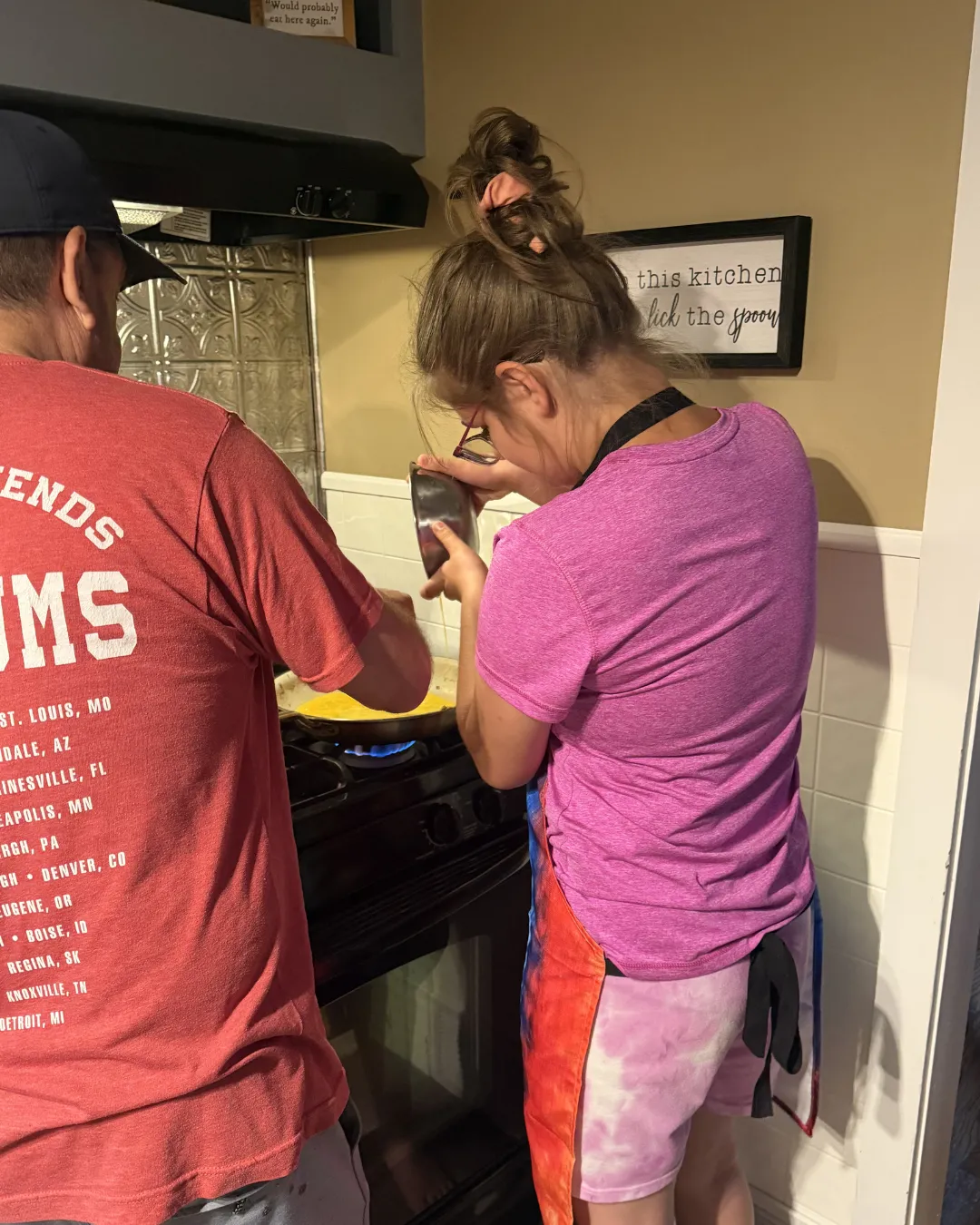
Meet your Autism Food Coach - Jason Wenzel
I help autistic kids feel safe with food — and parents feel safe exhaling.
For more than 15 years, I've been helping my daughter Lily navigate the challenges that can come with autism, food, sensory sensitivities, and mealtimes. Along the way, I've experienced the frustration, worry, small victories, and incredible moments of connection that many parents know all too well.
What started as a father's desire to help his daughter feel safe and confident around food eventually became a passion for helping other families find hope at the dinner table.
Through years of learning, researching, experimenting, and celebrating small wins with Lily, I've discovered that progress doesn't come from pressure—it comes from trust, connection, patience, and understanding.
Today, I help parents of autistic children create calmer mealtimes, build confidence around food, and strengthen their connection with their child through practical strategies and real-world experience.



If dinner has become the hardest part of your day…
You imagined family meals full of giggles, stories from the day, and maybe a little mess. Instead, you got tears over the wrong plate, panic over new foods, and the same three safe snacks on repeat.
You’ve heard “they’ll eat when they’re hungry” and “just make them try one bite” — but those rules weren’t written for autistic kids with real sensory overwhelm and anxiety.
You don’t want food to be a battlefield. You want your child to feel safe, curious, and proud. You want to stop lying awake wondering, “Are they getting enough? Am I messing this up?”
This course was born from those late-night worries — and years of being at the table with my autistic kids and seeing what works, celebrating small wins and wanting to help other families do the same thing.
“Before we started, my 5-year-old would scream if a new food was even on the table. In week 3, he was inviting broccoli to join the ‘green food club’ he invented with one of the games from the course. Now we still have picky days, but meals don’t feel scary for him — or for me.”
— Sarah, mom to Liam (5, autistic)
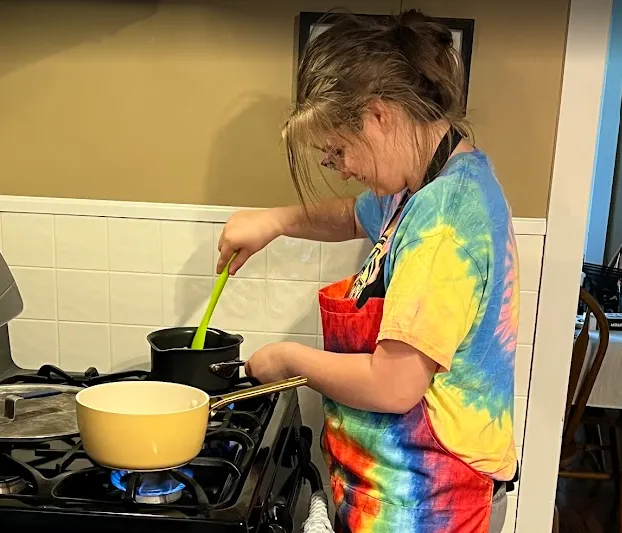
What changes when you have a playful plan?
Inside The Autism Food Coach Parent Course, you’ll learn concrete, kid-tested tools to turn mealtime from stressful to surprisingly sweet.
Less pressure, more peace
Swap battles and bargaining for scripts and routines that help your child feel safe — while still moving toward a more varied plate.
Confidence for you, connection for them
Know what to say when they panic, what to do when they refuse, and how to protect your relationship while you protect their nutrition.
Small wins that stack up
From touching a new food to actually tasting it, you’ll celebrate progress in tiny, playful steps — with trackers to keep everyone encouraged.
A gentle, step-by-step journey for your family
You don’t have time for theory-only trainings. Each module gives you short videos, stories from real families, and tiny experiments to try at your next meal.
1. Understand your child’s food world
Learn why autism, sensory processing, anxiety, and past experiences shape what your child can eat right now — and why they’re not “just being difficult.”
Outcome: You feel less guilt and more clarity about what’s actually realistic and safe.
2. Build your calm-mealtime toolkit
In the 1 on 1 coaching sessions you will get scripts, menu ideas, recipes and many other tools that turn touching, smelling, and exploring food into fun — not pressure.
Outcome: You walk into meals feeling prepared instead of bracing for impact.
3. Grow variety without breaking trust
Use the course’s ‘food ladder’ and tiny-step exposure plans to support your child toward new foods at their pace — while keeping trust and autonomy front and center.
Outcome: More color on the plate, and a calmer nervous system for everyone at the table.
Inside The Autism Food Coach Course: what you’ll get
Bite-sized video trainings, printable tools, and real-life examples you can watch during nap time or after bedtime — with lifetime access so you can revisit during new seasons and regressions.
Module 1: Understanding Autism & Food Challenges
Module 2: Sensory Processing and Mealtime Behavior
Module 3: Practical Strategies for Picky Eating
Module 4: Communication, Motivation and Family Dynamics
Module 5: Nutrition, Health and Practical Support
Bonus: Printable visual supports and Tracking sheets
After completion of the course, you will then be ready for the 1 on 1 coaching sessions- where you get to discuss your thoughts, ideas, frustrations and everything else pertaining to your child and receive coaching and support in a brainstorming session that we will do together to hopefully build connection through food!
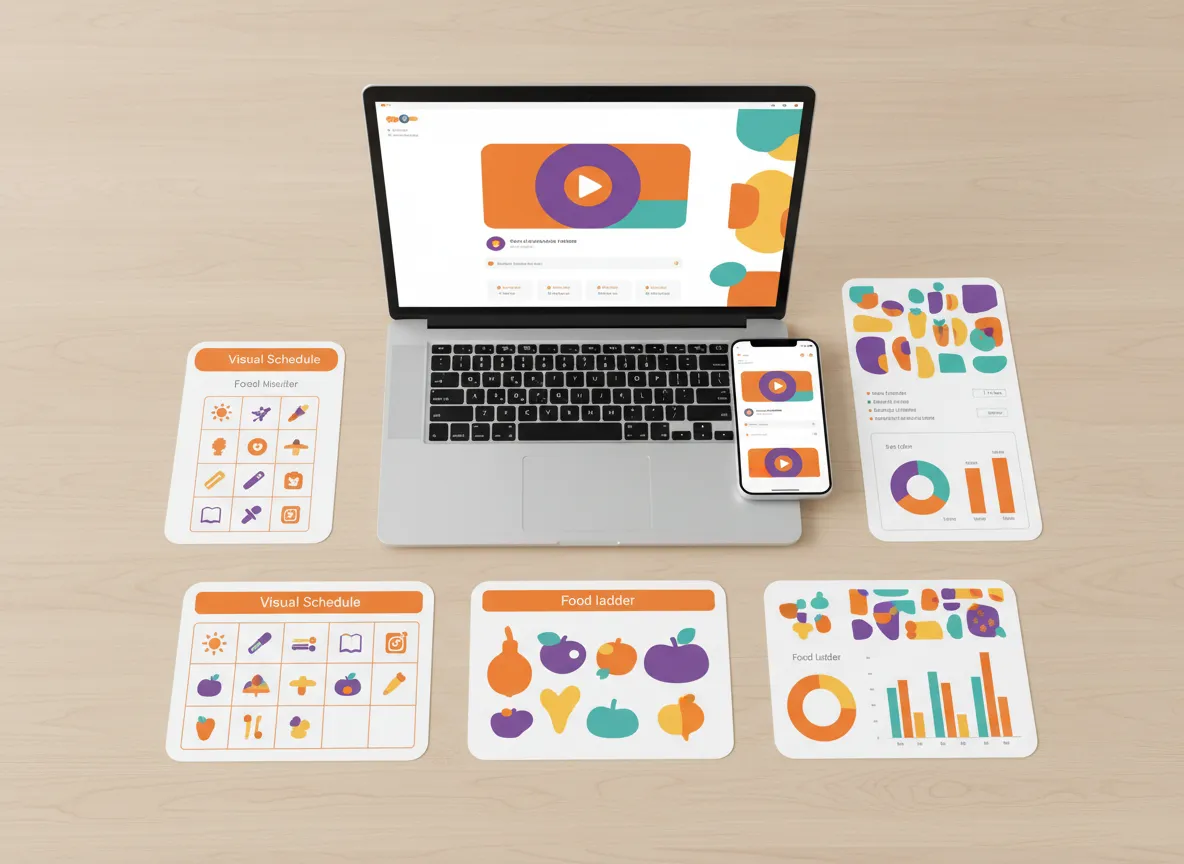
Format: ~Video content broken into short, watchable lessons, plus downloadable PDFs.
Join the Parent Course today
One investment, lifetime access, and tools you can come back to every time a new phase of eating (or not-eating) shows up.
Money-back promise: Try the course and the 1 on 1 sessions, and if you don’t feel more confident and equipped at the table, email me and we’ll refund your purchase.
Questions parents ask before joining
If you’re feeling nervous or unsure, you’re not alone. Here’s what other parents wanted to know.
Will this work if my child only eats 3–5 foods right now?
Yes. Many families who take this course are starting from a very small list of safe foods. We focus on safety first — building trust, calming the nervous system, and slowly expanding variety through tiny, playful steps. You’ll learn how to set realistic goals with your child’s current capacity in mind.
Is this course a replacement for feeding therapy?
This course is not medical advice and doesn’t replace individualized feeding therapy when it’s needed. It is designed to complement therapy by giving you at-home strategies, language, and structure. If your child has complex medical needs (like tube feeding, severe swallowing issues, or major weight concerns), please work with your medical team and use this course as an additional support.
How much time will this take each week?
Most parents watch about 30–45 minutes of video per week and then try 1–2 small changes at meals. You can move faster or slower depending on your bandwidth. There is no “falling behind” — you have lifetime access.
My child is older/younger than the ages you mentioned. Will it still help?
The strategies are designed for roughly ages 3–12, but many parents of teens find the scripts and nervous system tools very helpful when adapted for more age-appropriate language. If your child is under 3, you may still benefit from the sensory and mealtime environment modules.
What if my partner/co-parent isn’t on the same page?
You’ll get specific modules and scripts for bringing other caregivers into the process without blame or shame. Many families watch a few key lessons together so everyone can agree on a calmer plan at the table.
Parents who’ve already exhaled
Real stories from families parenting autistic kids with big feelings and very specific food preferences.
“We used to bring a separate meal everywhere ‘just in case.’ After the course, my daughter now has 4 new safe foods, and I can breathe when we go to birthday parties.”
— Jenna, mom to Ava (7, autistic & ADHD)
“The biggest change wasn’t the food — it was my own calm. Having words to say when my son panics has completely changed our evenings.”
— Mark, dad to Eli (4, autistic)
“Our pediatrician was worried about growth. Now, after a few months with these strategies, she’s gaining steadily — and we didn’t have to resort to force-feeding.”
— Priya, mom to Maya (6, autistic)
Tonight’s dinner can feel different.
You don’t have to fix everything overnight. You just need one tiny, playful next step — and someone who understands autism, food, and your tired parent heart.
Start today, at your own pace, and see your child — and yourself — with kinder eyes at the table.